
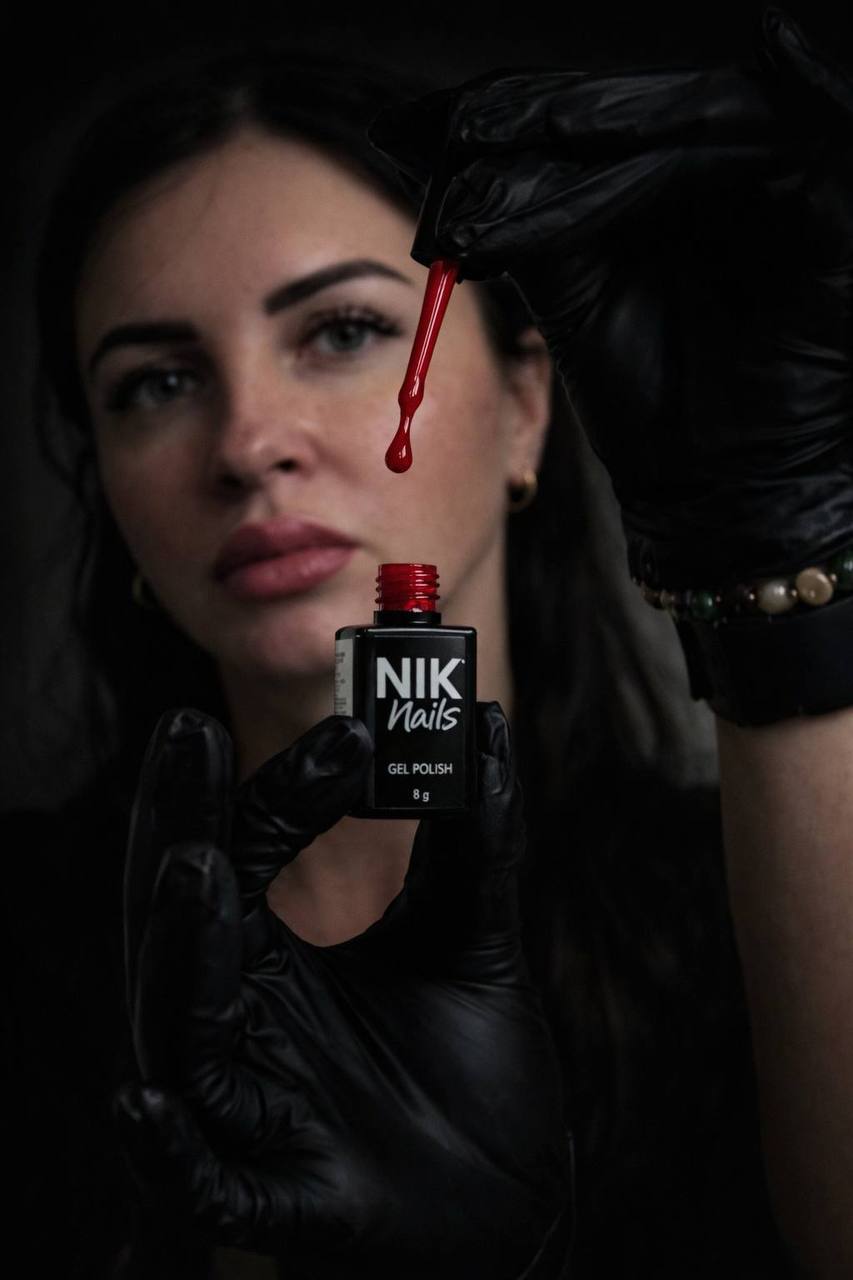
AI photography gives you the ability to create professional visual content for a business without having to organize a separate photoshoot for every new idea.
Today, a visual is often the first thing a potential customer sees. Even before someone reads a product or service description, they’re already judging the photo, the composition, the colors, the atmosphere, and the overall impression of the brand.
That’s exactly why quality visual content isn’t just decoration for a website or social media. It helps showcase the product, communicate the brand’s character, and shape the right impression of the business.
What does a business actually need AI photography for?
With AI, you can create visuals for practically any task: a product presentation, an ad campaign, social media content, website banners, a new product launch, or shaping an overall brand style.
For example, if a company has a product photo, you can build a completely new scene around it. The product can end up in a premium interior, surrounded by unusual materials, in a minimalist composition, or in a conceptual advertising environment.
This way, a single product can be shown in many different ways, without creating a new physical location, props, and shoot every single time.
AI helps you create more content
Businesses need to update their visual content regularly. The same photos eventually stop being enough, especially if a brand is actively working with social media or advertising.
AI lets you build new visual concepts from existing materials. You can change the background, atmosphere, composition, lighting, seasonality, or advertising angle to create new versions of your content.
This makes it possible to plan content beyond a single day — creating a whole series of visuals for different posts, ad campaigns, and formats.
AI photography helps you stand out
On social media, people see an enormous amount of photos and ads every day. Because of that, an ordinary product shot on a plain background sometimes isn’t enough to catch attention.
AI lets you create more conceptual and unusual scenes that would be hard to pull off during a standard photoshoot.
For example, a product can be placed in an unusual environment, given a non-standard scale, surrounded by interesting materials, light, and reflections, or turned into an entire visual story built around a single object.